
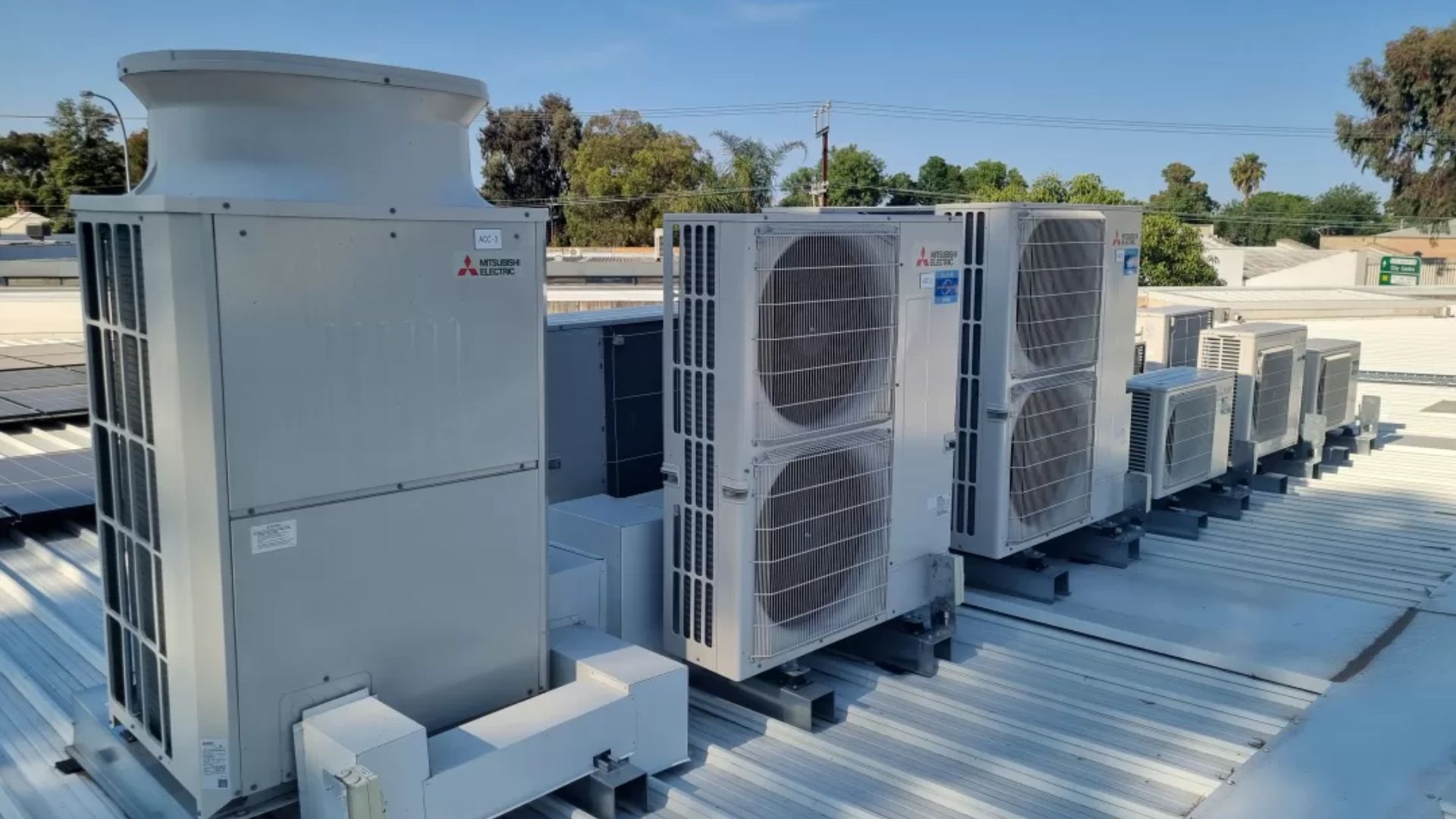
HVAC (Heating, Ventilation, and Air Conditioning) systems. These systems play a vital role in maintaining indoor comfort, whether it’s keeping us warm during chilly winters or providing a refreshing breeze on scorching summer days.
HVAC stands for heating, ventilation, and air conditioning. It’s an umbrella term that encompasses various systems designed to regulate indoor temperature, humidity, and air quality.
These systems are essential for both residential and commercial spaces, ensuring comfort, health, and productivity.
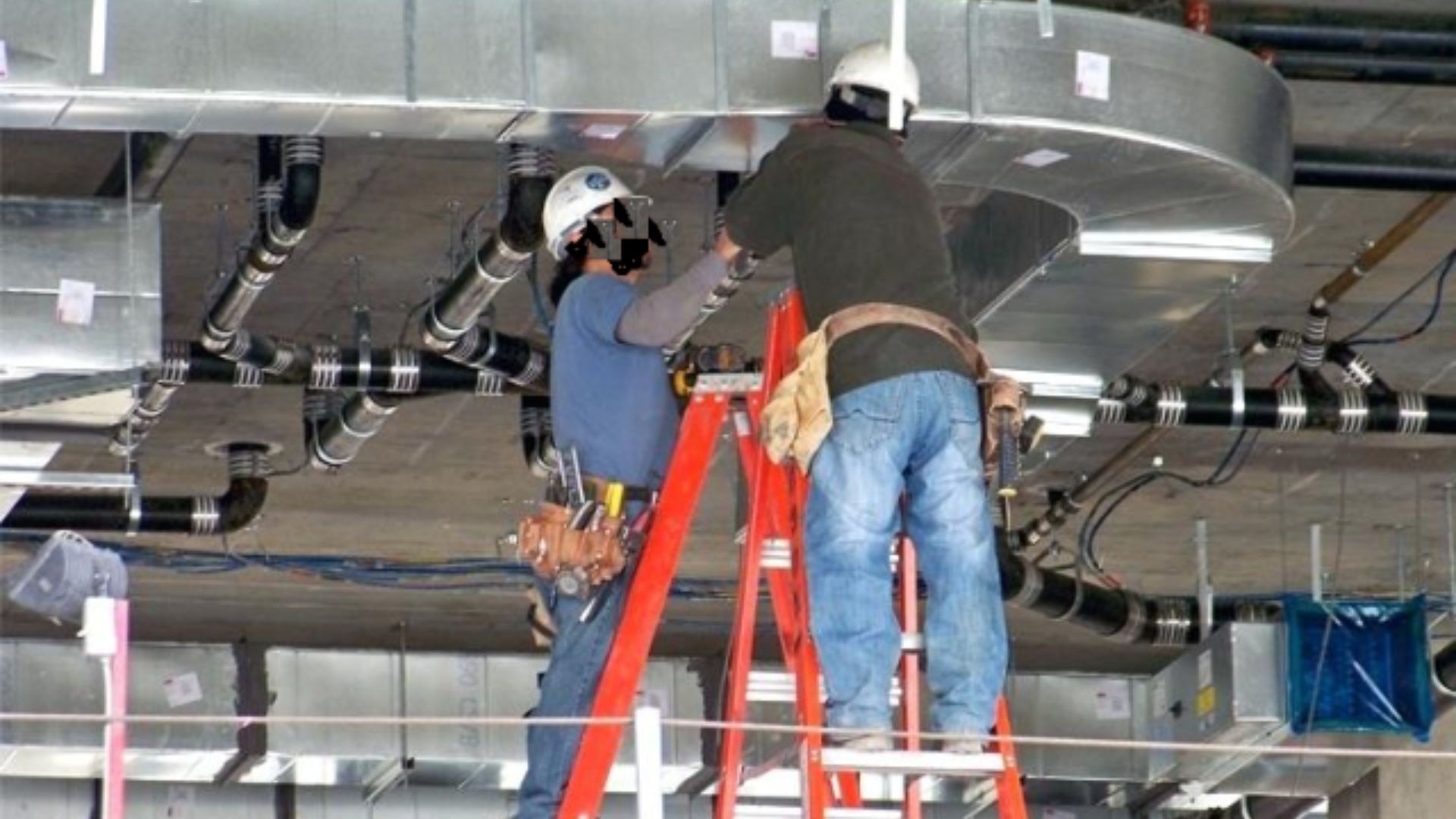
Most commonly, HVAC systems are forced-air systems that provide both heating and air conditioning as the air circulates through the system.
Here’s a simplified breakdown of how HVAC works:
Heating: During colder months, the system heats the air. A furnace or heat pump generates warmth, and a blower circulates the heated air through ducts or directly into living spaces.
Cooling: When it’s hot outside, the system cools the air. An air conditioner or heat pump removes heat and humidity from indoor air, releasing it outside. The cooled air is then distributed throughout the building.
Ventilation: Proper ventilation ensures fresh air exchange. It removes stale air, odors, and pollutants while bringing in outdoor air. Ventilation systems include exhaust fans, air exchangers, and natural ventilation.
Air Filtration: As the air circulates, it passes through filters that remove allergens, dust, and other particles. This improves indoor air quality.
Humidity Control: HVAC systems can also regulate indoor humidity levels, preventing excessive dryness or dampness.
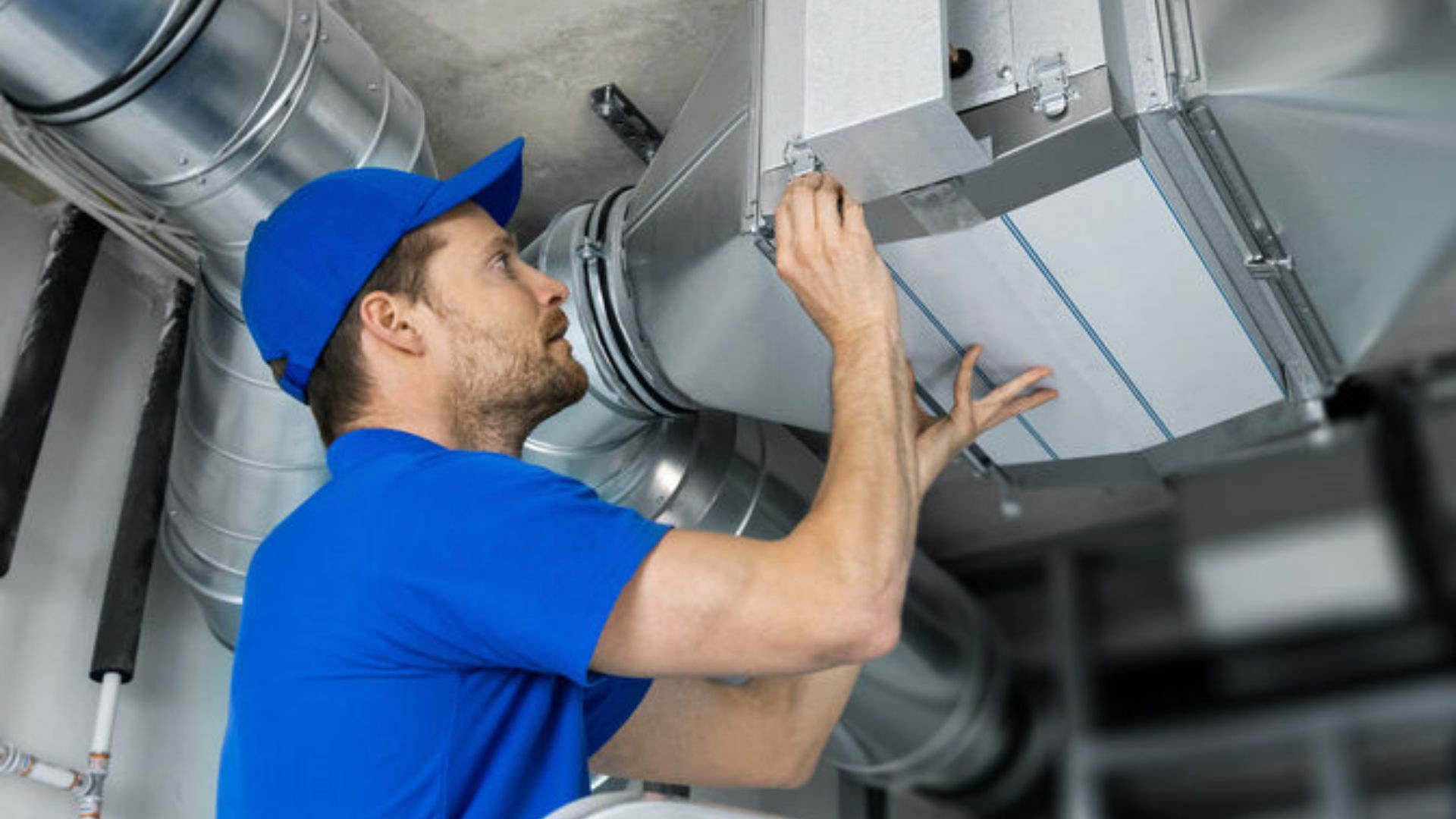
Air Ducts: A network of tubing runs through walls and ceilings, carrying treated air from the central HVAC unit to various parts of the building. Properly sealed and insulated ducts enhance energy efficiency.
Thermostat: The control center. It allows users to set desired temperatures and modes (heating, cooling, or fan-only).
Heat Source: Furnaces, boilers, or heat pumps provide warmth.
Cooling Unit: Air conditioners or heat pumps cool the air.
Blower or Fan: Circulates treated air through ducts or directly into living spaces.
Air Filters: Remove particles for better air quality.
Vents and Registers: Distribute air into rooms.
Humidifiers/Dehumidifiers: Maintain optimal humidity levels.
Zoning Systems: Divide the building into zones for customized temperature control.
At Corker Engineering and Technology, we understand that HVAC isn’t just about technical components; it’s about creating environments where people thrive. Whether it’s a cozy home or a bustling office, our experts ensure seamless integration of HVAC systems, making every breath comfortable.
Remember, when you feel that perfect warmth or enjoy a refreshing breeze indoors, it’s the magic of HVAC at work!

Copyright 2024. All Rights Reserved. Designed by Webiqra Private Limited
Corker Engineering & Technologies Pvt Ltd is fastest growing end-to-end interior designing company.